Key Takeaways
Selecting the right material requires understanding the properties that make an acrylic sheet suitable for your specific environment in Singapore. The following points summarise the essential factors for a successful project:
- Differentiate between cast and extruded materials based on your project requirements.
- Match the thickness of the sheet to the structural load of your intended application.
- Consider the environmental exposure for outdoor signage or interior partitions.
- Utilise professional cutting services to ensure precision and reduce material wastage.
- Follow proper maintenance techniques to protect the surface finish from scratches and chemical damage.
Understanding the different types of acrylic sheets
Choosing the optimal material for your project starts with understanding how the manufacturing process influences performance. You will find that acrylic sheets are generally categorised into two distinct types, each possessing unique characteristics that dictate their suitability for various tasks.
Cast vs extruded acrylic: What is the difference?
Cast acrylic is produced by pouring monomer between glass plates, resulting in a harder and more chemically resistant material that is ideal for laser engraving and intricate designs. Extruded acrylic, on the other hand, is manufactured through rollers, making it more uniform in thickness and often more cost-effective for mass production. Use this comparison to guide your selection:
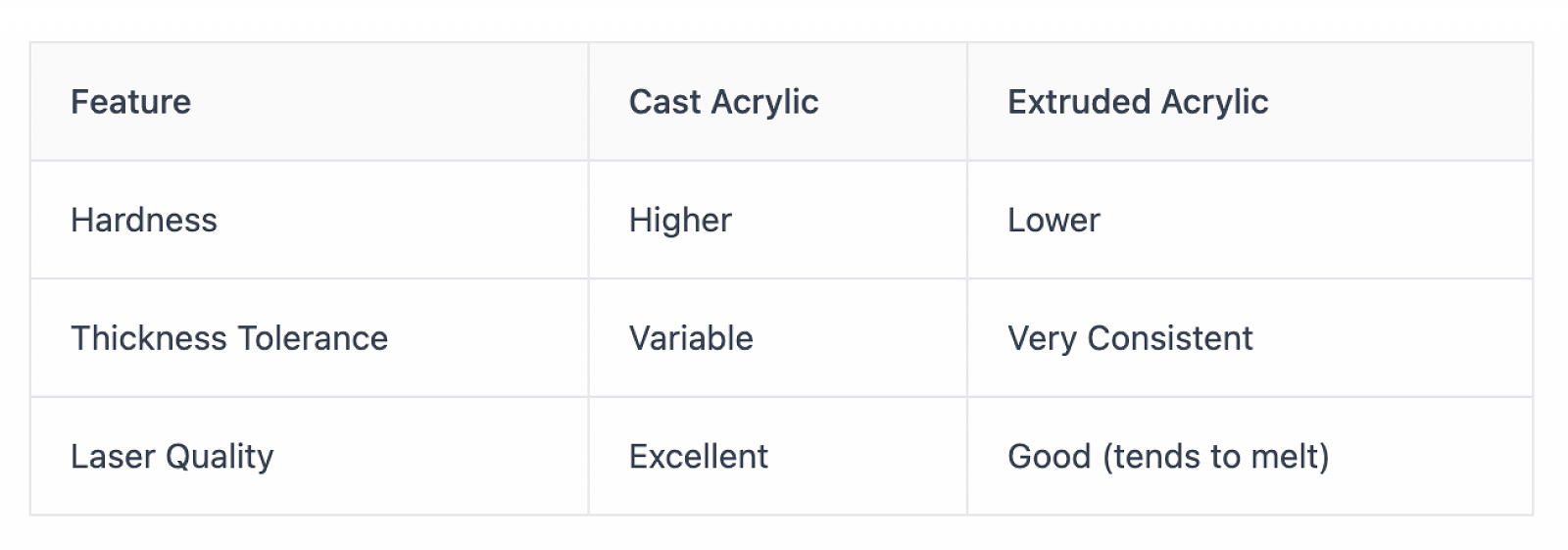
Selecting between these two depends on whether your project requires high optical clarity for engraving or consistent dimensions for fabrication-heavy applications.
Exploring finishes: Clear, frosted, and coloured options
Beyond basic manufacturing, the aesthetic finish of your material drastically alters the final appearance of your display or interior element. Clear options provide maximum light transmission, whereas frosted alternatives offer a subtle, light-diffusing effect that is excellent for high-end signage or privacy screens. Coloured sheets add a bold stylistic dimension, allowing you to align your project with specific branding guidelines or design palettes.
When to choose UV-resistant or mirror acrylics
Specific project environments necessitate performance features beyond standard transparency, such as exterior installations or feature walls. UV-resistant varieties are engineered to prevent yellowing and degradation after prolonged sun exposure, while mirror-backed acrylic offers a reflective surface finish that is much lighter and safer than traditional glass counterparts. These specialty sheets are highly effective for retail environments where safety and durability must be prioritised.
How to select the right thickness for your project
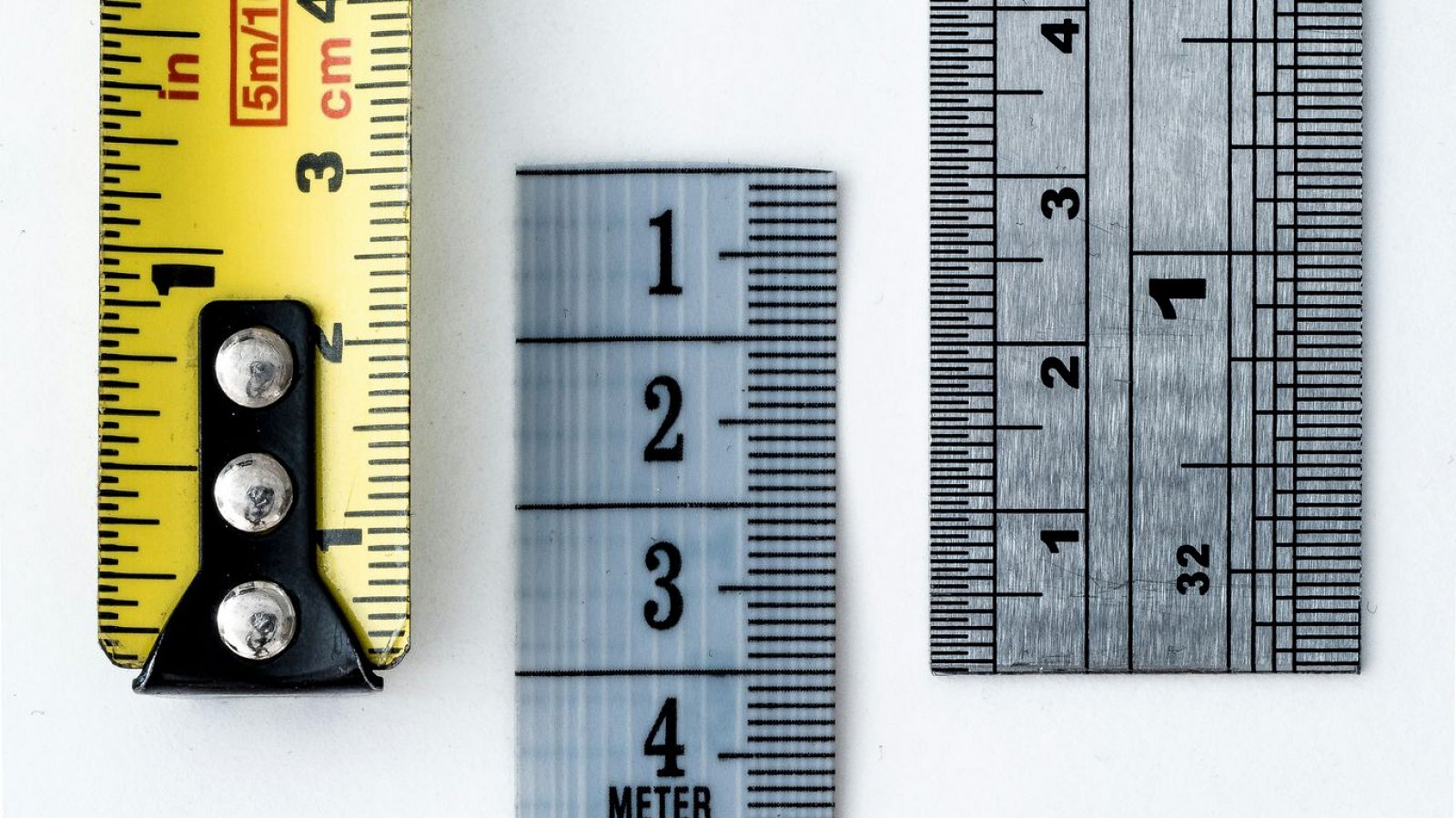
Determining the appropriate gauge for your acrylic boards is a critical step that balances structural requirements with material expenditure. A common mistake is using a generic thickness for all applications, which can lead to sagging or premature breakage under load.
Understanding how thickness affects structural integrity
Thickness is the primary determinant of strength and resistance to mechanical stress, particularly when the material spans large distances without support. Thicker sheets offer superior rigidity but also increase the overall weight, meaning that your support framework must be adequately designed to carry the load. Always review the technical specifications for each material grade to ensure it meets your structural expectations.
Choosing the right gauge for shelf displays and furniture
For functional items like shelves or tables, selecting the proper gauge prevents the material from bending or bowing over time. Most acrylic plastic sheets used for furniture require a minimum of 6mm to 10mm thickness, depending on the span between supports. If you are creating high-traffic furniture, it is often better to err on the side of a thicker gauge to ensure long-term stability and to avoid vibrations.
Determining weight requirements for wall-mounted signage
Wall-mounted projects often struggle with the weight of the material if the thickness is unnecessarily high, making installation difficult and potentially unsafe. Professional installers typically recommend thinner profiles for wall aesthetics while ensuring the mounting hardware is compatible with the sheet weight. Consult with Aceninja to determine the weight-to-support ratio for your specific wall-mounting project.
Common applications for acrylic sheets in Singapore
From modern retail interiors to creative home decor, the versatility of this material has made it a preferred choice across the local landscape. Its inherent strength, measuring significantly higher than traditional glass, provides a secure and visually sleek solution for various environments.
Residential interior design: Dividing screens and bespoke decor
Acrylic is increasingly used in residential spaces to create light-filled room dividers that open up smaller layouts. These screens allow for visual separation without sacrificing the feeling of space, and their lightweight nature makes them easier to install as custom wall art or decorative cladding. Bespoke furniture pieces in the home often leverage the material's modern look to elevate a minimalist aesthetic.
Commercial usage: Office partitions and business signage
In the commercial sector, safety and clarity are paramount, especially for office partitioning and information signage. Many businesses opt for these materials as they provide a hygienic surface that is easy to sanitise after frequent use. Retailers specifically rely on them to create durable and versatile signage that stays clear and vibrant in busy shopping environments.
Custom display solutions for retail and exhibition stands
Retail displays and exhibition stands require a material that is both attractive and robust enough to handle the rigours of high-traffic use. Custom-fabricated stands show off products to their best advantage, especially when paired with lighting, and these solutions remain a reliable choice for brands aiming to make a lasting impression at events.
Navigating the market for custom fabrication and cutting

When standard sizes do not meet your design constraints, seeking expert fabrication services becomes necessary to ensure a perfect fit for your installation. Professional laser cutting services can transform your designs into reality with a level of precision that traditional manual cutting cannot match.
Benefits of professional laser cutting and CNC services
These automated processes create impeccably clean edges and high-detail contours, reducing the manual labour usually required for finishing. They are especially advantageous for projects involving complex logos or irregular shapes that need consistent accuracy across multiple pieces. By outsourcing, you benefit from consistent production quality and reduced material scrap compared to DIY methods.
How to request accurate measurements for your bespoke project
Precision in your initial order is vital, as small measurement errors can lead to alignment issues during your final build. Providing clear schematics or vector files to your supplier will streamline the production process and ensure that your pieces are cut exactly to your technical needs. Consider these items when preparing your order specifications:
- Detailed dimensions including width, length, and material thickness.
- Specifications regarding edge finish preferences and hole locations.
- Notes on orientation if the material has a directional pattern.
- Information regarding the intended use to assist the fabricator with advice.
Selecting edge polishing techniques for a professional finish
Once the sheet is cut, the edges can appear matte or sharp, depending on the cutting method used. Flame polishing or mechanical buffing are common techniques to create a crystal-clear, smooth edge that looks refined. Ensuring your supplier offers these finishing services in their workshop will give your product a high-end look without requiring additional manual polishing on your end.
Essential considerations for ordering and delivery in Singapore
Effective planning for your logistics is just as important as the design itself, especially when dealing with large or fragile custom sheets. Local suppliers in Singapore manage varying delivery schedules, so verifying these timelines early is smart for any fast-paced industrial project.
Understanding lead times for bulk or custom orders
Bulk or bespoke fabrication orders often require longer lead times due to the custom nature of the processing required. You should communicate your expected completion dates to your provider immediately to account for production scheduling and local transportation factors. Planning ahead is the best way to avoid disruptions to your construction or installation timeline.
Packaging factors to prevent scratches during local transit
Because the material surface is susceptible to scratching, it should be protected with high-quality film or foam wrap throughout the delivery phase. Most reputable shops will provide protective layers as standard, but verifying that your order is kept secure during transit is a wise precaution. Ensure your storage area at the delivery site is clean and free of abrasive debris to maintain the material condition upon arrival.
Evaluating value-added services from trusted local suppliers
Many suppliers distinguish themselves by offering extra support, such as free consultations for layout design or installation advice. Looking for partners who provide customised fabrication solutions can add significant value beyond just supplying the raw material. Contact our team to discuss how our fabrication capabilities can support your specific requirements.
Essential tips for maintaining and working with your acrylic
Proper care will significantly extend the lifespan of your surfaces and keep them looking pristine for years. Avoiding harsh chemicals and abrasive tools is the foundation of a good maintenance routine for any installation.
Best practices for cleaning without damaging the surface
Cleaning is simple if you avoid ammonia-based cleaners, which can cause cracking and cloudiness over time. Instead, use a soft microfibre cloth dampened with a mild soap solution, gently wiping the surface to remove dust and fingerprints. This gentle approach keeps the optical clarity of the material without marring the finish.
Avoiding common mistakes when drilling or bending sheets
If you are undertaking DIY modifications, remember that using the incorrect drill bit speed or heat level can cause the material to fracture or spider-web. Always ensure you are using a slower speed and a sharp, specialised drill bit designed for plastics. When bending, heat application must be controlled to prevent overheating, which can bubble or yellow the sheet.
Removing protective film effectively for a flawless finish
Removing the masking film should only be done after the final installation, which acts as a barrier during the construction phase. Peeling the film back slowly and steadily usually prevents sticky residue from remaining on the surface; in the event that adhesive does transfer, a mild citrus-based cleaner can often remove it safely.
Conclusion
Investing in quality materials and professional fabrication ensures that your projects achieve both visual excellence and long-term durability in any environment. By understanding the properties of the material and coordinating closely with your local supplier for cutting and installation, you create results that stand the test of time.
Frequently Asked Questions
Is acrylic stronger than traditional glass?
Yes, this material is typically much more impact-resistant than glass, making it a safer option for high-traffic public areas or homes with children. It does not shatter into dangerous shards, providing a significant safety advantage in residential and commercial settings.
Can acrylic sheets be used for outdoor projects?
It is possible to use them outdoors, provided you select UV-resistant variants to prevent the material from yellowing or becoming brittle over time. Standard varieties may degrade more quickly if they are under direct, constant sun exposure.
What is the best method for cutting these sheets at home?
For simple, straight cuts, a fine-tooth circular saw or even a specialized scoring tool can be used with care to prevent chipping. However, for precise results or complex shapes, professional laser or CNC cutting services are strongly recommended to ensure clean edges and avoid fractures.
Do acrylic surfaces scratch easily?
While this material is durable, it is softer than glass and can suffer from fine scratches if cleaned with abrasive sponges or harsh particles. Always use soft cloth or non-abrasive cleaners to keep your surfaces free of scratches.
How do I bond two pieces together permanently?
Bonding is best achieved using solvent cements that chemically weld the two pieces together, creating a clear and sturdy joint. This differs from standard glues as it fuses the material at a molecular level, resulting in a stronger finish.
Are the terms plexiglass and acrylic the same?
They refer to the same material, with plexiglass originally being a brand name that has since become synonymous with all acrylic sheets. You are buying the same plastic material regardless of which term the supplier uses.
Can I paint or print directly onto the sheets?
Yes, the surface is excellent for printing and painting, provided you use the correct primers and specialized inks intended for plastic surfaces to ensure long-term adhesion of your designs.