Key Takeaways
Modern interior design in Singapore is shifting toward safer and more adaptable reflective materials, with mirror acrylic emerging as a leading choice for homeowners and professionals alike. This article explores why this transition is happening, the technical benefits involved, and how to successfully incorporate these surfaces into your renovation projects.
- Mirror acrylic offers significantly higher impact resistance compared to standard glass.
- Its lightweight properties enable easier logistics and flexible design applications.
- Professional installation requires specific adhesives to prevent surface degradation.
- Maintenance involves gentle cleaning practices to maintain long-term scratch resistance.
- The material is a cost-effective alternative for high-traffic or child-friendly residential environments.
The growing popularity of mirror acrylic in Singaporean interior design
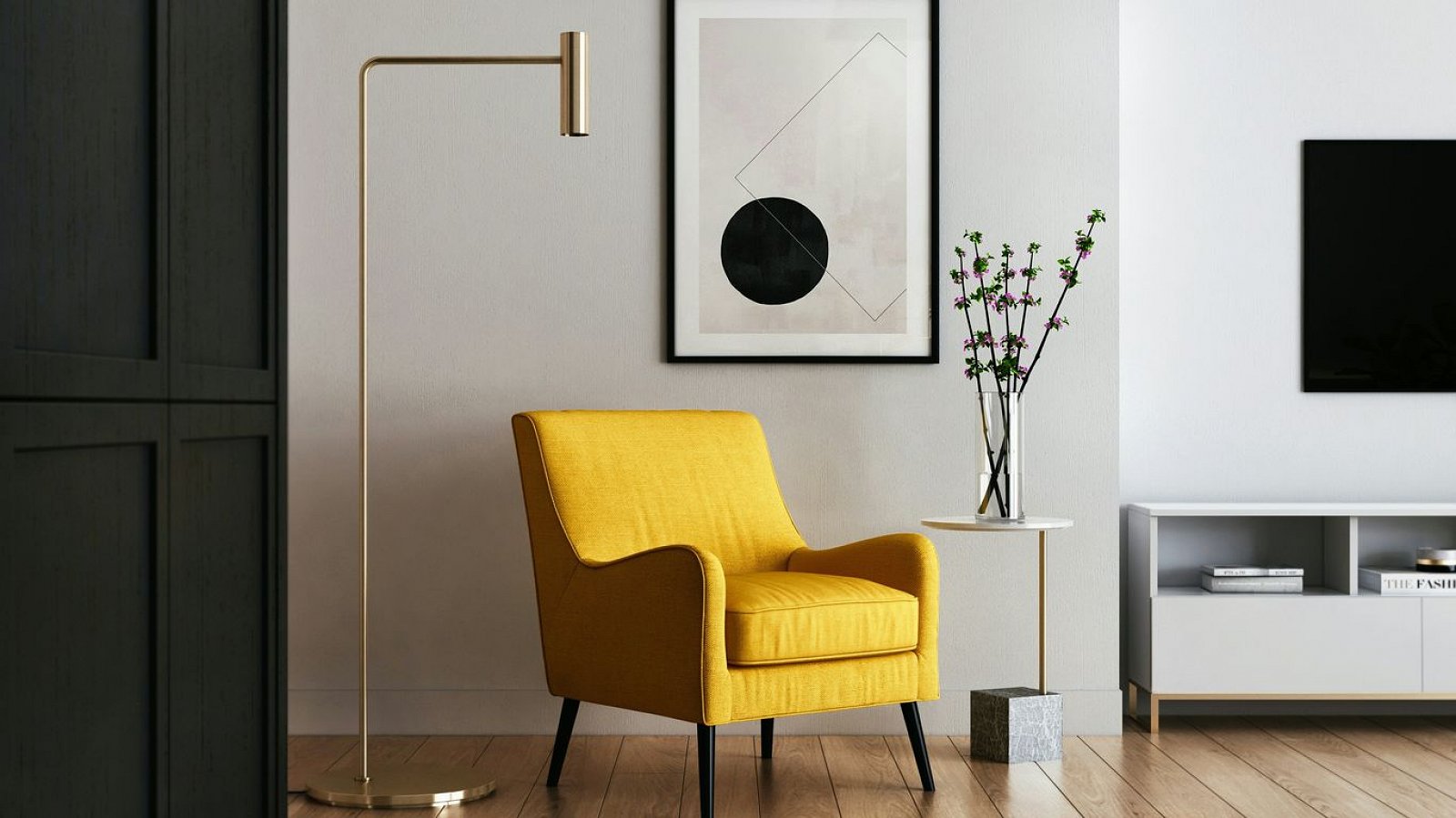
Interior designers are increasingly turning to advanced synthetic materials to solve classic design challenges in urban living environments. The demand for surfaces that can safely mimic the brilliance of traditional mirrors has highlighted the practical advantages of using mirror acrylic. This material, often sourced from specialists like Aceninja Pte Ltd, brings a contemporary edge to local design projects while addressing the physical limitations of heavier materials.
The shift towards lightweight, versatile materials
The move away from traditional glass is driven by a need for materials that are easy to handle and modify on-site. Mirror acrylic weighs approximately half as much as glass, which facilitates much faster installation timelines in custom interior works.
Navigating space constraints in modern urban homes
In compact HDB flats and studio condos, amplifying natural light is a common design goal. Strategically placing reflective sheets helps create a sense of expanded vertical and horizontal dimensions without the structural demands of wall-mounted glass mirrors.
Why professional designers are moving beyond traditional glass
Designers appreciate the material for its consistency and ease of fabrication during complex wall panelling projects. When professionals contact our team regarding their specific requirements, they often express relief at how easily components can be adjusted compared to brittle glass alternatives.
Current design trends for reflective surfaces in Singapore
There is a notable rise in using reflective elements for bespoke cabinetry and feature walls that integrate seamlessly with minimalist aesthetics. Many projects featured by Plexiglass.SG demonstrate how these reflective surfaces contribute to a clean, high-end finish that fits modern residential styles perfectly.
Key performance benefits of mirror acrylic over glass
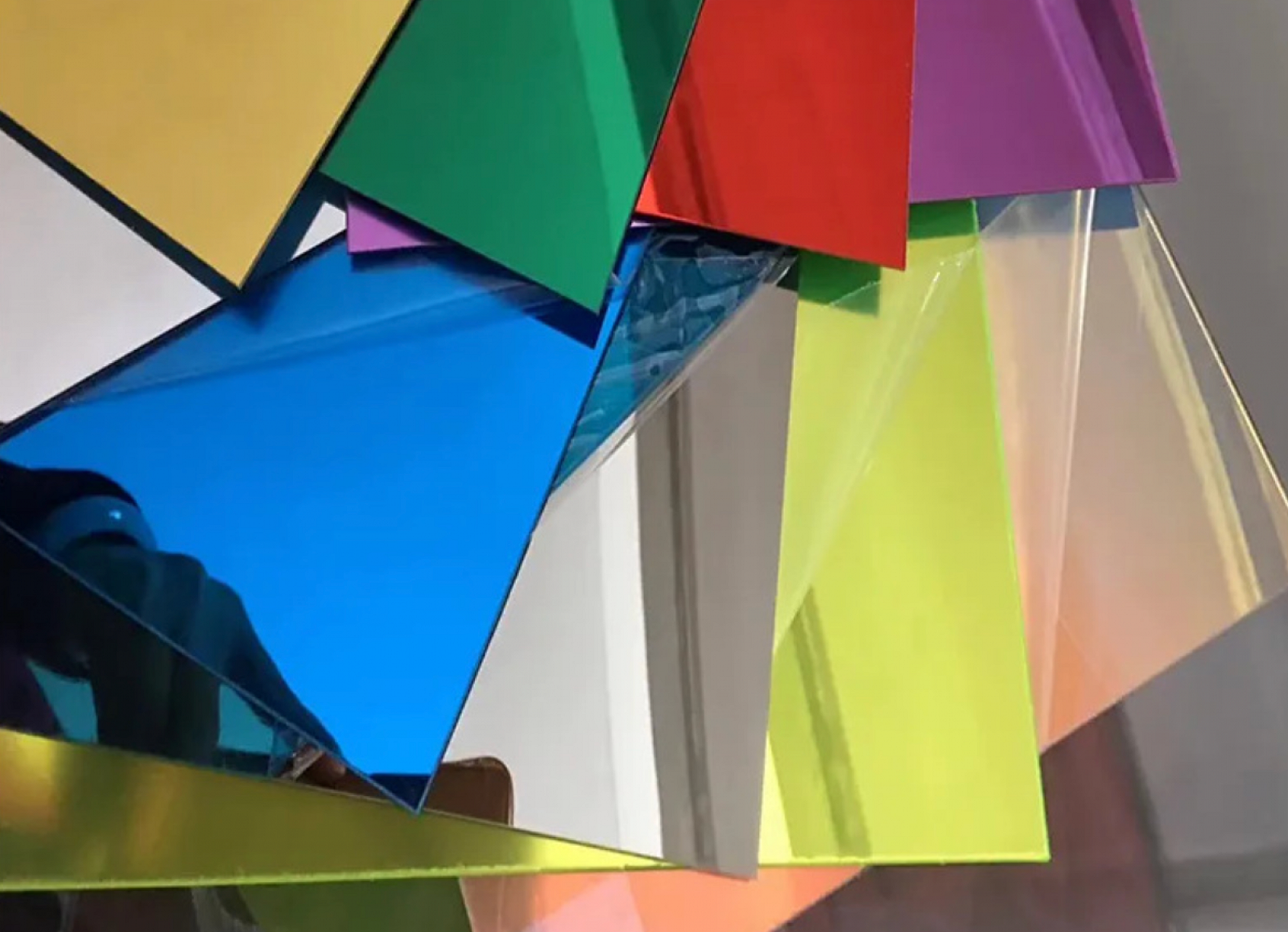
Choosing the right material requires an understanding of how reflective substrates perform under environmental and physical stress. While glass is known for its absolute flatness, mirror acrylic offers a superior balance of safety and reflectivity for most indoor applications requiring regular interaction or high-impact risk.
Superior impact resistance and shatter safety
Unlike traditional mirrors that can fracture into dangerous shards during an impact, acrylic is highly resilient. This makes it an ideal candidate for spaces frequented by families and children.
Significant weight reduction for easier logistics and installation
Logistically, the reduced weight simplifies the delivery and mounting process, even for large panels. This efficiency is critical for projects with tight deadlines where structural support needs to be minimised.
Flexibility in fabrication and custom shaping
Beyond simple rectangular cuts, acrylic lends itself well to complex geometry. One can easily create unique mirror acrylic sheets that fit custom curved profiles often found in modern furniture designs.
Optical clarity and high-quality reflective surfaces
For those seeking custom-cut acrylic mirror solutions, the optical quality is remarkably high for indoor decorative tasks. High-end sheets provide a consistent, distortion-free reflection that satisfies most high-traffic design requirements.
Practical installation and maintenance considerations

Successful implementation of mirror acrylic relies on adhering to specific installation standards to preserve its reflective backing. Improper mounting techniques can lead to warping or long-term damage to the uniform surface finish required for professional results.
Recommended mounting techniques for walls and ceilings
Mounting should always involve flat, stable substrates to prevent any rippling effects. Adhesives must be non-solvent based to protect the metalised backing, which can degrade if exposed to standard glass-grade solvents.
Best practices for cleaning and preventing surface scratching
Maintaining the clarity of the surface is straightforward when using non-abrasive materials. You should clean these surfaces with a microfiber cloth and soapy water, as traditional rough cleaning sponges will inevitably diminish the high-gloss shine over time.
Compatibility with various interior substrates and finishes
Surface MaterialAdhesion SuitabilityNotesDrywall/GypsumHighEnsure clean and dry surfaceSolid Wood/MDFMediumRequires primed finishMetal PanelsHighExcellent bond strength with silicone
Using these materials on properly primed surfaces ensures that the installation remains secure for years, providing a durable feature in the home.
Precision laser cutting and CNC edge finishing options
Modern fabrication tools provide highly precise outcomes. When comparing different methods, the efficiency of versatile acrylic sheets in laser cutting allows for intricate designs that wouldn't be possible with standard glass cutting equipment.
Safety and durability advantages for residential projects
In high-traffic areas such as kitchens and hallways, the resilience of your wall surfaces is vital. The material used in versatile acrylic mirrors handles the daily wear and tear of a bustling family life better than most traditional reflective alternatives.
Minimising injury risks in family-friendly households
Safety is the primary driver for choosing acrylic in nurseries and playrooms. Its inability to splinter upon impact provides peace of mind that standard glass simply cannot offer.
Performance and longevity in high-humidity tropical climates
Local tropical heat and humidity can play havoc with traditional adhesives and backing materials. Mirror acrylic is less prone to the edge-corrosion often seen in traditional mercury-backed glass when exposed to high moisture levels.
Durability benchmarks for high-traffic zones
Durability in common areas is often measured by impact resistance and surface hardness. We have observed that many residential projects benefit from selecting these materials for the following areas:
- Hallways and transitional entryways
- Kitchen cabinets and backsplashes
- Children's play areas and activity zones
- Bathroom mirrors in vanity units
These applications demonstrate the material's robustness in varied residential contexts.
Resilience against accidental impacts and daily wear
Designed for longevity, these sheets resist common kitchen spills and accidental bumps. While not completely scratch-proof, the material is easily maintained and stays visually appealing in environments where traditional mirrors would likely fail.
Creative design applications for mirror acrylic
Integrating reflective surfaces allows you to play with light and perspective in ways that define modern interior depth. Designers often use these pieces to brighten corners that would otherwise remain dark and unused, effectively opening up the home.
Creating illusions of depth in compact HDB and condo units
Mirrored panels act as a visual extension of your floor space, effectively tricking the eye into seeing more room than is physically present. This strategy is essential for homeowners wanting to avoid the claustrophobic feel of cramped urban layouts.
Designing bespoke statement furniture and decorative accents
Beyond wall cladding, these sheets are transformed into coffee tables, custom trays, and wall-mounted art. The flexibility is boundless, provided the design considers the reflective nature of the finish during cabinet assembly.
Utilising coloured mirror acrylic for unique feature walls
Coloured variations, such as bronze or rose gold, allow for a warmer reflection compared to silver mirror. These tints add a sophisticated depth that complements interior palettes ranging from mid-century modern to industrial chic.
Seamless integration for high-end retail and commercial displays
While this focus is on the home, the same design principles apply to acrylic signs used in retail. The visual pop provided by high-quality reflective surfaces ensures that displays attract immediate attention from potential customers.
Evaluating the cost-effectiveness and long-term value
Procuring materials for home renovation requires balancing initial cost with long-term functionality. Mirror acrylic is a smart investment, particularly when considering the reduced need for professional replacement services due to breakage.
Comparing initial procurement costs with traditional glass mirror
While raw material costs can vary based on sheet thickness and complexity, the overall project costs are often lower for acrylic. This is largely due to the savings associated with transportation and easier assembly, which reduces the time spent on labour.
Analysing total project savings on labour and structural support
Projects benefit significantly when the weight of the material is lower. Because it requires less structural support and fewer hands to move, the total impact on your renovation budget is usually positive.
Maintenance and replacement costs over a product's lifespan
Given the low risk of breakage, you save on the future replacement costs typically associated with glass mirror accidents. Over a decade, the initial investment pays off through durability alone.
Long-term value assessment for custom interior installations
Assessing value involves looking at how the materials continue to perform and look. Because high-quality acrylic maintains its reflection effectively, it serves as a long-term asset in your home's aesthetic setup.
Conclusion
By choosing mirror acrylic, homeowners gain a versatile and safe option that elevates the aesthetic of modern living spaces without the fragility associated with traditional glass surfaces. Whether you are looking to enhance light in a small room or create a durable decorative feature, this material provides a high-performance solution tailored to dynamic Singaporean lifestyles.
Frequently Asked Questions
Can mirror acrylic be used outdoors?
It is generally recommended for indoor use only as continuous exposure to extreme UV rays and changing weather conditions can damage the metallic backing and cause the material to warp.
Is the reflection in mirror acrylic identical to glass?
It provides a very high-quality reflection, though it may show slight distortions over large distances compared to thicker, perfectly flat glass mirrors.
How do I mount mirror acrylic to my wall?
Use flat, non-porous surfaces and apply silicone adhesive approved for plastics to ensure a secure bond while protecting the reflective film from chemical damage.
Can it be cut to custom shapes?
Yes, it can be easily cut using laser or CNC machinery, allowing for complex and bespoke shapes that are difficult to achieve with glass.
Does mirror acrylic scratch easily?
While it is more resilient to impacts than glass, it can develop surface scratches if cleaned with harsh or abrasive scrubbers, so gentle maintenance is required.
What is the advantage of using it in a child's bedroom?
It is significantly safer because it is shatter-resistant, meaning it will not break into sharp, dangerous shards if it happens to be struck with a heavy object.
Are there different colour options available?
Yes, apart from the standard silver, coloured mirror versions are available in various tints to match specific design themes and interior colour palettes.